What To Cook With This Month
by Holly Thomson


As the season turns, we're bringing more autumnal comfort into the kitchen. With beans, pulses, mushrooms, and smoky warming flavours. Here are three recipes and ten ingredients to inspire you this month.
Plus, buy any 10 bestsellers from our Store Cupboard Fillers collection, enjoy 10% off your order.
Recipes to try this month

Leek, Bean and Chorizo Gratin recipe, by Georgina Hayden

Miso Pesto Pasta, with Chilli Crisp Balsamic Roasted tomatoes
 Chickpea & Blistered Tomato Stew
10 amazing ingredients to try this month
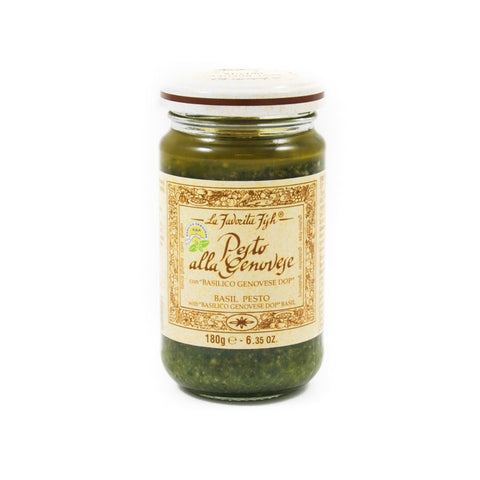
La Favorita pesto with Genovese basil is rich and fragrant. It pairs wonderfully with spaghetti or tagliatelle. Simply stir through cooked pasta and top with a grating of parmesan. Or drizzle over slices of mozzarella and fresh tomato for a twist on a classic caprese salad.
Basil has been cultivated in Genoa – the home of pesto – as far back as the 16th century. The Ligurian climate is mild, with lots of sunshine and a cooling sea breeze, producing the finest basil in Europe. The basil farms surrounding Genoa hold the Protected Designation of Origin status, or DOP, in recognition of the environment that grows such high-quality basil.
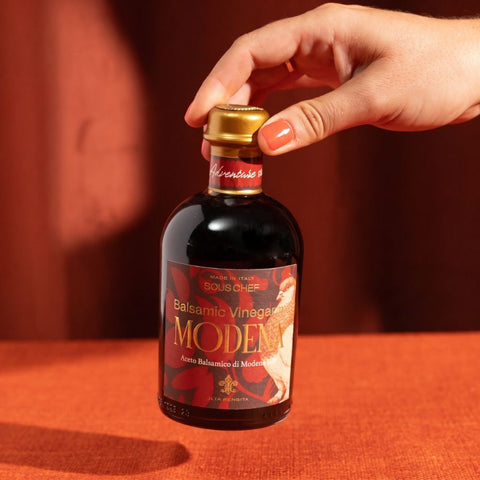

Our very own balsamic vinegar of Modena - aged for 12 years in barrels. The Sous Chef Balsamic Vinegar of Modena IGP is made by a family producer, now in its 17th generation of harvesting, pressing and aging grapes in Modena. Sun-ripened grapes are pressed and aged for at least 12 years - creating a rich, thick balsamic vinegar. It has deep sweet-sour notes of prune, raisin and smoky oak.
Use it to dress roasted vegetables, pasta dishes, soft cheese or chocolate puddings.

Discover Brisighella, in the hills of Emilia-Romagna. The medieval village is home to the historic Nostrana di Brisighella olive, which makes intensely green oil with notes of cut grass and artichoke. Local growers Palazzo di Varignana bottle a limited quantity each harvest - and are consistently recognised in world EVOO awards.
Use it on fish carpaccio, burrata, steamed vegetables or bean dishes where you want the oil to speak clearly. It is especially good on peppery leaves and simple soups.
Keep the rest of the dish straightforward: good bread, ripe tomatoes, grilled courgettes. This is the bottle to reach for when olive oil is one of the main flavours, not a background note.
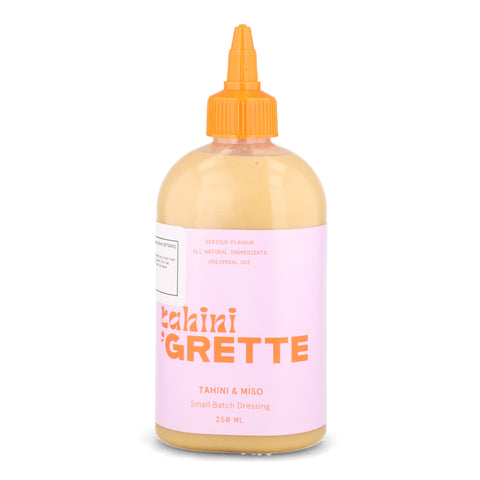
Grette makes small-batch salad dressings with one aim: bigger salad energy! The brand began at home in South London, where the team spent months blending, bottling and selling their dressings. These are bold, all-natural vinaigrettes made with best-quality ingredients and no preservatives.
Grette Tahini & Miso Dressing is a ready-made tahini miso vinaigrette with creamy sesame nuttiness. Miso and soy sauce bring the savoury depth. Rice vinegar and white wine vinegar cut through with brightness, while maple syrup softens the edges.
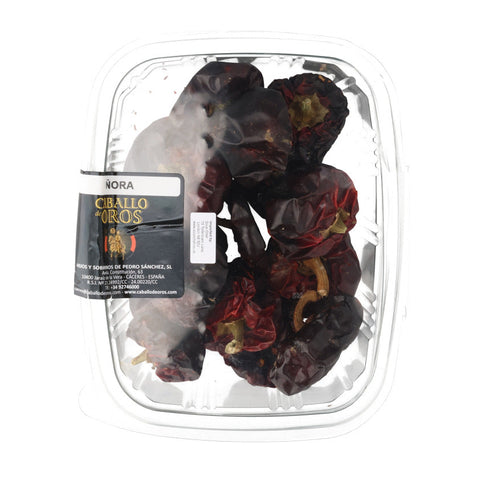
Ñora peppers are a staple ingredient in Spanish cooking, particularly along the Mediterranean coast, where they're prized for their fruity, almost sun-dried tomato flavour. Unlike hotter chillies, they're mild and aromatic, adding colour, depth and complexity without overwhelming heat.
They're the secret ingredient in dishes like romesco sauce, but they work just as beautifully blended into houmous, where their natural sweetness balances the nutty tahini and bright lemon juice.
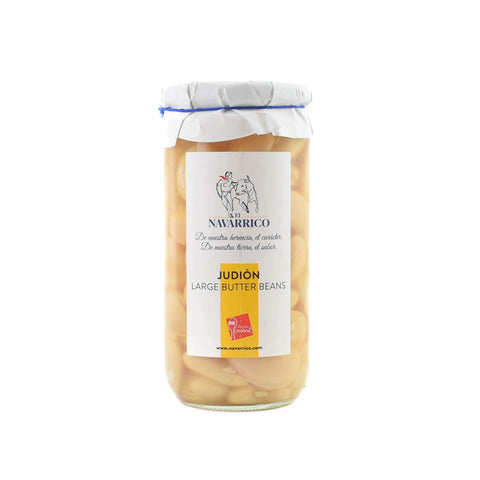
Slow cook in a frying pan with garlic, as a delicious accompaniment to roast lamb, or simply rinse and toss with olive oil and lemon for a healthy and heartening summer salad.
These white Judion large butter beans - also known as garrofo or garrofón - are called the "Rolls Royce" of beans, and have a silky smooth, unctuous creamy texture, with a mild mineral taste. Hailing from Navarra in Northern Spain, bordering the Basque country, they are a popular ingredient in pinxtos or eaten as part of a main meal.
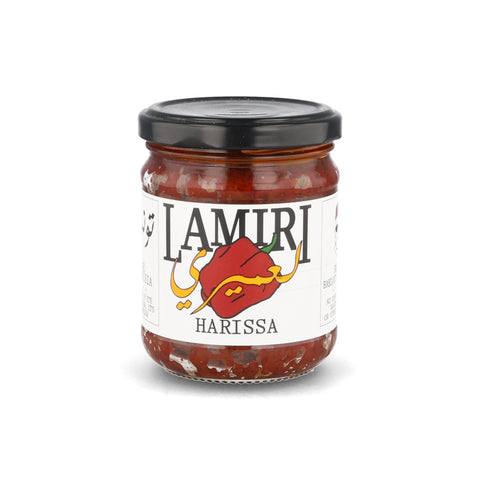
Lamiri harissa brings the bold, smoky flavours of Tunisia straight to your kitchen. Imported from La Marsa, this family recipe has been passed down through generations of the Lamiri family, using Baklouti chillies dried in traditional wood-burning ovens for a deep, aromatic heat. Stir the paste into soups and stews, spread it over flatbreads or whisk it into tomato sauce to serve with lamb meatballs and a cooling spoonful of yoghurt. It’s also a classic way to bring richness and warmth to couscous dishes across North Africa.
Flavoured with tabil - a Tunisian blend of caraway and coriander - Lamiri harissa has warm, earthy undertones beneath its gentle smokiness. The family sources ingredients directly from local farmers, ensuring the freshest spices and fullest flavour. For a quick marinade, mix the harissa with yoghurt, lemon and crushed garlic; it’s fantastic with lamb, chicken thighs or monkfish. A little goes a long way, delivering instant depth wherever you use it.
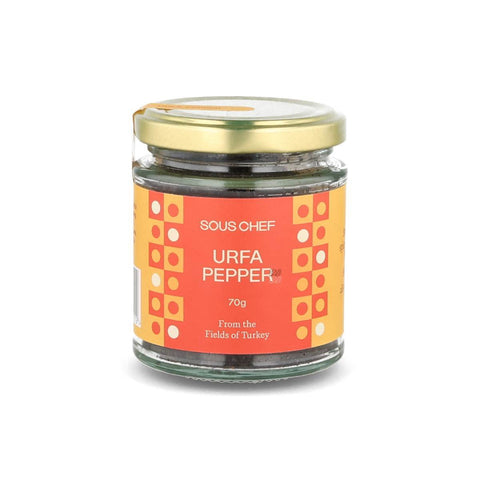
Sous Chef urfa pepper - or isot biber - is a deeply aromatic Turkish chilli with a flavour unlike any other. The peppers ripen on the plant until they turn a deep purple, then undergo a traditional two-stage drying process: sun-dried by day and tightly wrapped at night to “sweat”. This slow curing concentrates their natural oils, giving the flakes a warm, rounded heat with smoky, almost raisin-like sweetness and a subtle citrus note.
Urfa pepper is essential in dishes like çiğ köfte and lahmacun, where its gentle warmth and complexity shine. But it’s just as good used simply - fry a pinch in butter and drizzle it over breakfast eggs, swirl it into yoghurt for a quick dip, or scatter it over roasted aubergines and grilled meats. Rich, savoury and versatile, it’s an easy way to bring authentic Turkish depth to everyday cooking.
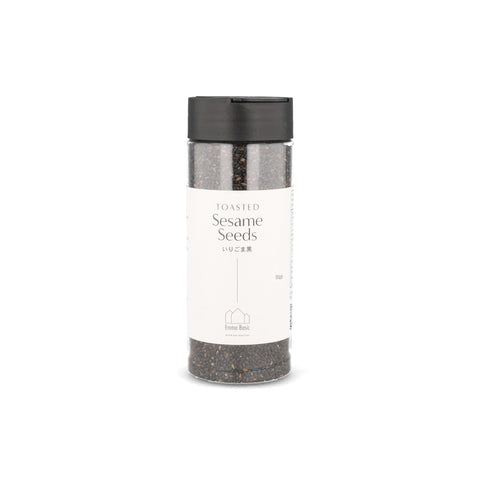
The seeds are already roasted, saving you time in the kitchen. The roasting process intensifies their rich, nutty flavour. They’re a great way to add extra protein and fibre to your dish.
Roasted sesame seeds are a tasty topping for baked goods. Scatter them over pretzels and burger buns.
Emma Basic is an additive-free food brand. Deciphering food labels can be daunting, so they’ve done the hard work for you. You can buy with confidence, knowing that what you choose will be 100% additive-free.
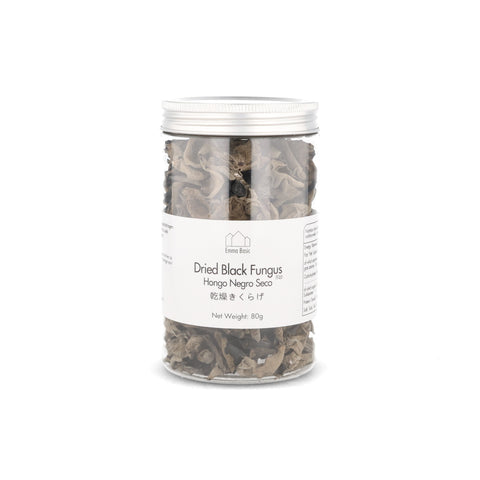
Black fungus, also known as wood ear mushroom, is a staple of Chinese cooking. The dried mushrooms must be soaked in warm water before use, where they rehydrate into springy, jet-black curls. Mild in flavour but fantastic at absorbing seasoning, they take on whatever you cook them with - soy sauce, garlic, chilli and aromatic oils all cling beautifully to their surface.
These versatile mushrooms are used in soups, braised dishes and Chinese hot pot, adding texture rather than overt flavour. They’re also delicious served cold in salads or tossed through fried rice. Try them in Pippa Middlehurst’s miso chicken claypot rice, where the black fungus soaks up the savoury, umami-rich sauce and adds gentle crunch to each bite.